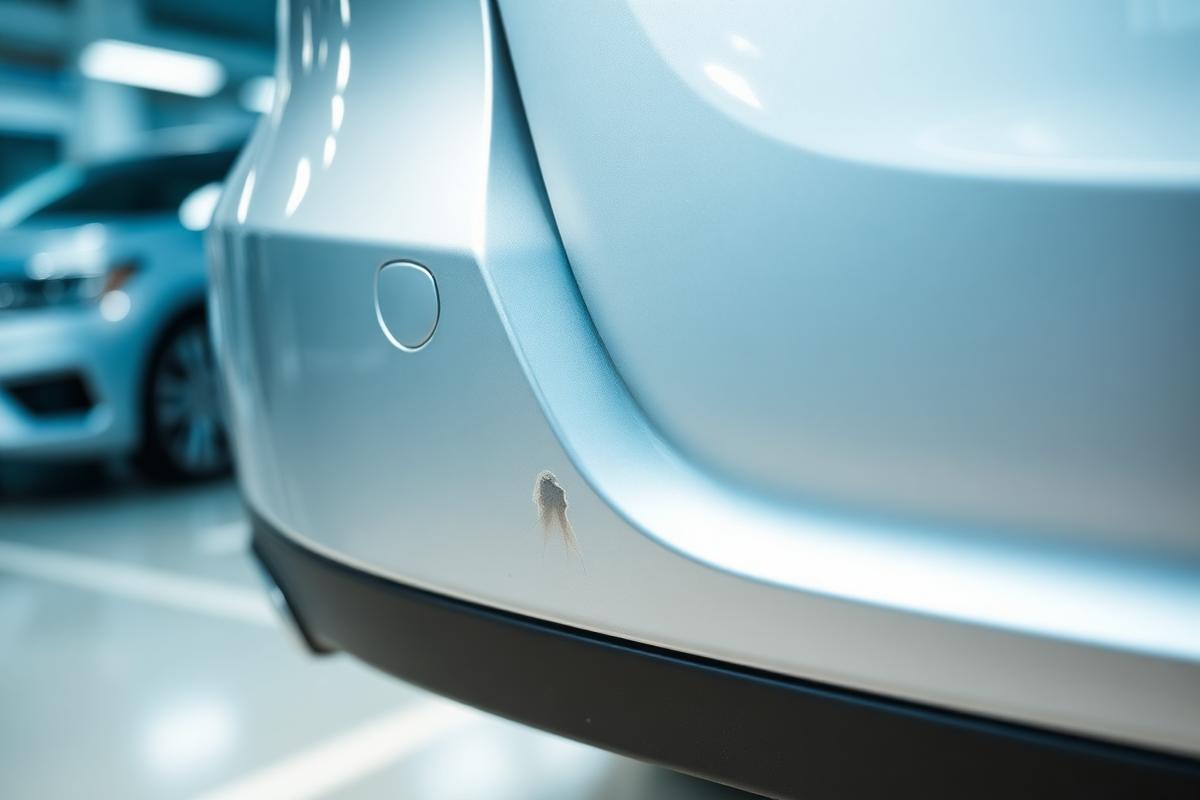
Car parks account for a surprising share of the damage we repair. The impacts are slow, but bumpers, sensors and paintwork are expensive to put right properly.
Where the damage usually happens
Most parking damage lands on bumper corners, wheel arch edges, door edges and alloy wheel rims. Modern bumpers hide sensors, cameras and brackets, so a small scuff can involve more work than it looks.
↑ Back to contentsHabits that reduce the risk
None of these are complicated, and together they remove most low-speed knocks.
- Choose an end bay or a space away from trolley bays and pillars
- Reverse in where you can, so you pull out with a clear view
- Fold mirrors in on tight streets and multi-storey car parks
- Leave enough room to open doors fully rather than squeezing in
If someone hits your parked car
Take photographs before anything moves, look for a note under the wiper, and check nearby premises for CCTV early because most systems overwrite within a couple of weeks.
Our full guide covers the steps in detail if the other driver has left the scene.
↑ Back to contentsWhy a proper repair matters on small damage
A cheap smart repair on a bumper that houses parking sensors or a radar unit can leave systems out of calibration. Getting the panel repaired and the systems checked keeps the safety kit working as designed.
↑ Back to contentsFrequently asked questions
The insurance questions drivers ask us most
Straight answers on premiums, excess, write-offs and replacement vehicles, written by our Bristol repair team.
- Non-fault accident: what it means and what to do (UK guide)A plain-English UK guide to non-fault accidents: how liability is decided, your repair and replacement vehicle options, and the mistakes that cost drivers money.
- What to do after a car accident that wasn’t your faultThe exact steps to take at the scene, in the first 24 hours and in the first week after someone else hits your car in the UK.
- Will a non-fault accident affect my insurance? (UK)How a non-fault claim can show on your record, what happens to your premium and what to check with your insurer.
- Do I have to pay my insurance excess?When an excess applies after a non-fault accident, and the practical routes that can avoid paying one up front.
Your next steps
Based on what you have just read, these are the pages most drivers go to next.
Prefer to speak to someone now?
SAR Group is a repair-led accident support and bodyshop business, and your first point of contact after a non-fault accident. We are not an FCA-authorised claims management company: every non-fault case is handled through our authorised and regulated partner network.