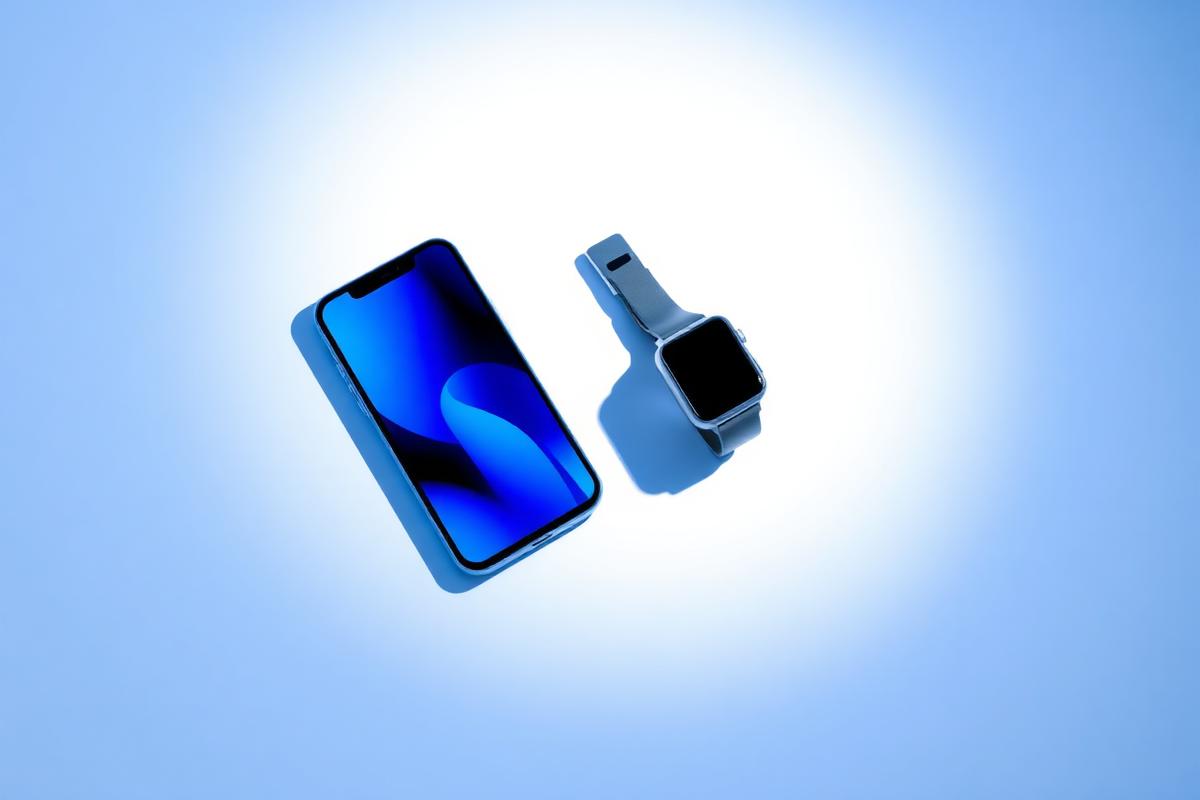
Recent phones and smartwatches can detect a serious collision and call emergency services for you. It is a useful safety net, and it is worth understanding what it does and does not do.
How crash detection works
The device combines accelerometer, gyroscope, barometer, GPS and microphone data to recognise the signature of a high-speed impact. If it triggers, it sounds an alarm, shows a countdown and then calls emergency services if you do not cancel.
It is designed for severe collisions. A low-speed car park knock will not usually set it off, and it is not intended to.
↑ Back to contentsChecking it is switched on
On most devices the feature is on by default, but it is worth confirming and adding an emergency contact so someone is notified.
- Check the emergency or safety section of your phone settings
- Add medical ID details and at least one emergency contact
- Keep location services enabled so the call includes your position
False alarms and what to do
Rollercoasters, motorsport and heavy falls have all triggered false alerts. If it happens, cancel the countdown, and if the call has already connected stay on the line and tell the operator it was accidental. Hanging up prompts a call back and can waste emergency time.
↑ Back to contentsIt is not a substitute for evidence
Crash detection helps get help to you. It does not record what happened or establish who was liable. Once you are safe, you still need photographs, driver details and, where possible, dash cam footage.
↑ Back to contentsFrequently asked questions
The insurance questions drivers ask us most
Straight answers on premiums, excess, write-offs and replacement vehicles, written by our Bristol repair team.
- Non-fault accident: what it means and what to do (UK guide)A plain-English UK guide to non-fault accidents: how liability is decided, your repair and replacement vehicle options, and the mistakes that cost drivers money.
- What to do after a car accident that wasn’t your faultThe exact steps to take at the scene, in the first 24 hours and in the first week after someone else hits your car in the UK.
- Will a non-fault accident affect my insurance? (UK)How a non-fault claim can show on your record, what happens to your premium and what to check with your insurer.
- Do I have to pay my insurance excess?When an excess applies after a non-fault accident, and the practical routes that can avoid paying one up front.
Your next steps
Based on what you have just read, these are the pages most drivers go to next.
Prefer to speak to someone now?
SAR Group is a repair-led accident support and bodyshop business, and your first point of contact after a non-fault accident. We are not an FCA-authorised claims management company: every non-fault case is handled through our authorised and regulated partner network.