Photographs are the cheapest insurance you will ever have. Two minutes at the scene can settle a liability argument months later. Here is the shot list we wish every driver used.
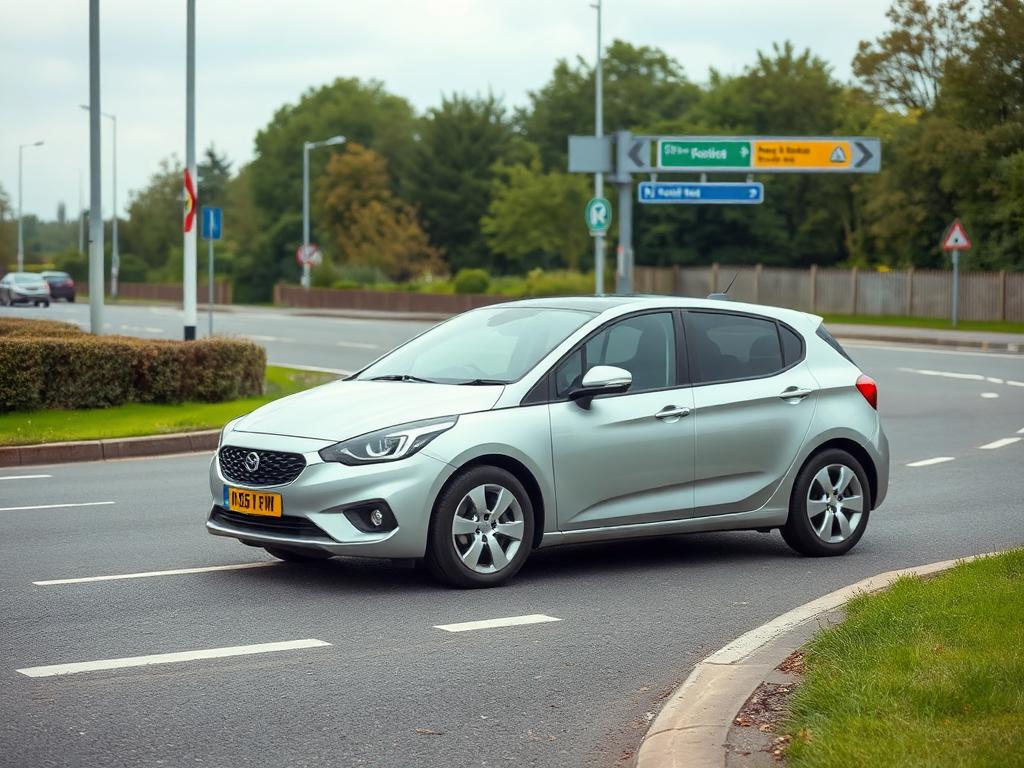
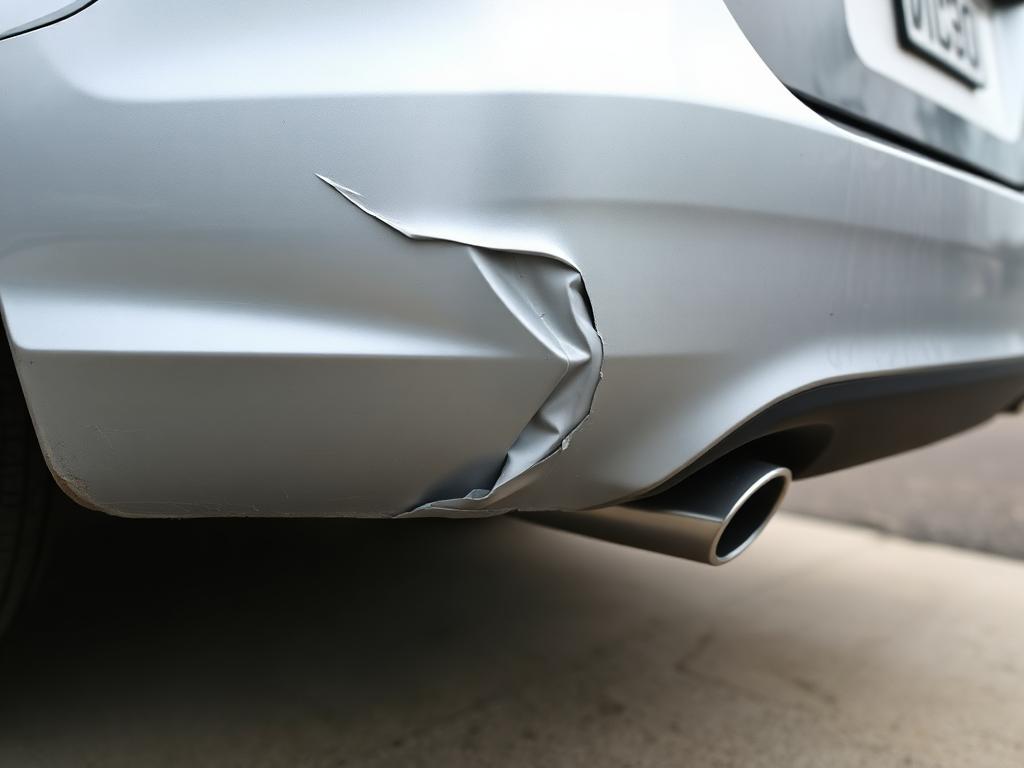
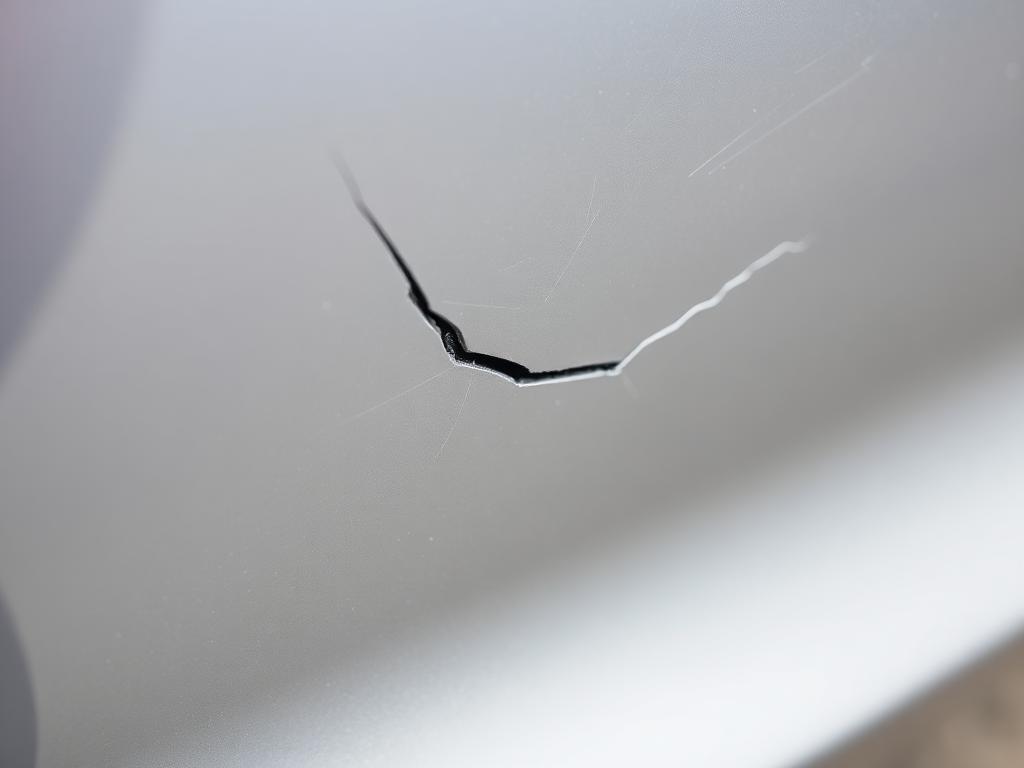
The essential shot list
Work outwards: damage first, then vehicles, then the scene as a whole.
- Close-ups of every damaged area on your vehicle.
- Close-ups of the damage to the other vehicle.
- Both number plates, clearly readable.
- A wide shot showing both vehicles in their final positions.
- The road layout: lane markings, signage, traffic lights, junction.
- Skid marks, debris and broken glass on the road surface.
- Weather, light and road conditions.
Details people forget
Photograph the other driver's insurance certificate or details if they are willing to show them, and note the exact time and location. If a witness stops, take their name and number, they rarely come back later.
- Nearby CCTV cameras, doorbell cameras or shop fronts.
- Bus lane and parking signage that shows who had priority.
- Your own dashcam file, save and back it up before it loops over.
What to do with them afterwards
Back the images up somewhere other than your phone the same day, and keep them together with a short written account of what happened. Send copies to whoever is handling your repair so nothing has to be recreated from memory.
↑ Back to contentsFrequently asked questions
The insurance questions drivers ask us most
Straight answers on premiums, excess, write-offs and replacement vehicles, written by our Bristol repair team.
- Non-fault accident: what it means and what to do (UK guide)A plain-English UK guide to non-fault accidents: how liability is decided, your repair and replacement vehicle options, and the mistakes that cost drivers money.
- What to do after a car accident that wasn’t your faultThe exact steps to take at the scene, in the first 24 hours and in the first week after someone else hits your car in the UK.
- Will a non-fault accident affect my insurance? (UK)How a non-fault claim can show on your record, what happens to your premium and what to check with your insurer.
- Do I have to pay my insurance excess?When an excess applies after a non-fault accident, and the practical routes that can avoid paying one up front.
Your next steps
Based on what you have just read, these are the pages most drivers go to next.
Prefer to speak to someone now?
SAR Group is a repair-led accident support and bodyshop business, and your first point of contact after a non-fault accident. We are not an FCA-authorised claims management company: every non-fault case is handled through our authorised and regulated partner network.