A proper accident repair is a controlled process, not a quick panel swap. Here is what actually happens between booking your vehicle in and handing the keys back.
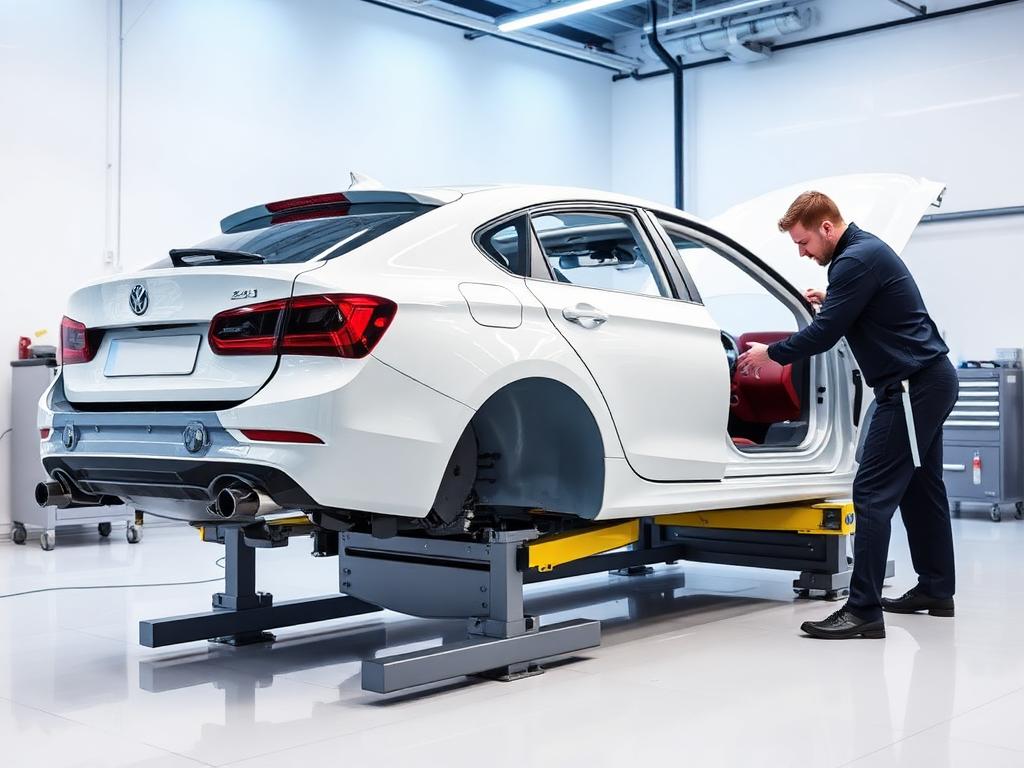
1. Strip-down and full damage assessment
Impact damage hides. Panels are removed so the structure, brackets, sensors and mountings behind them can be inspected properly. Only then is a complete repair plan written.
↑ Back to contents2. Structural and alignment work
Where the shell has moved, measuring equipment is used to bring it back to manufacturer tolerances. Skipping this stage is what causes uneven tyre wear, wind noise and poor panel gaps later.
↑ Back to contents3. Correct parts and approved methods
Fixings, adhesives and welding methods are specified by the manufacturer for a reason, modern vehicles use mixed materials that behave differently under impact. Using the right method keeps the safety design intact.
↑ Back to contents4. Preparation and refinishing
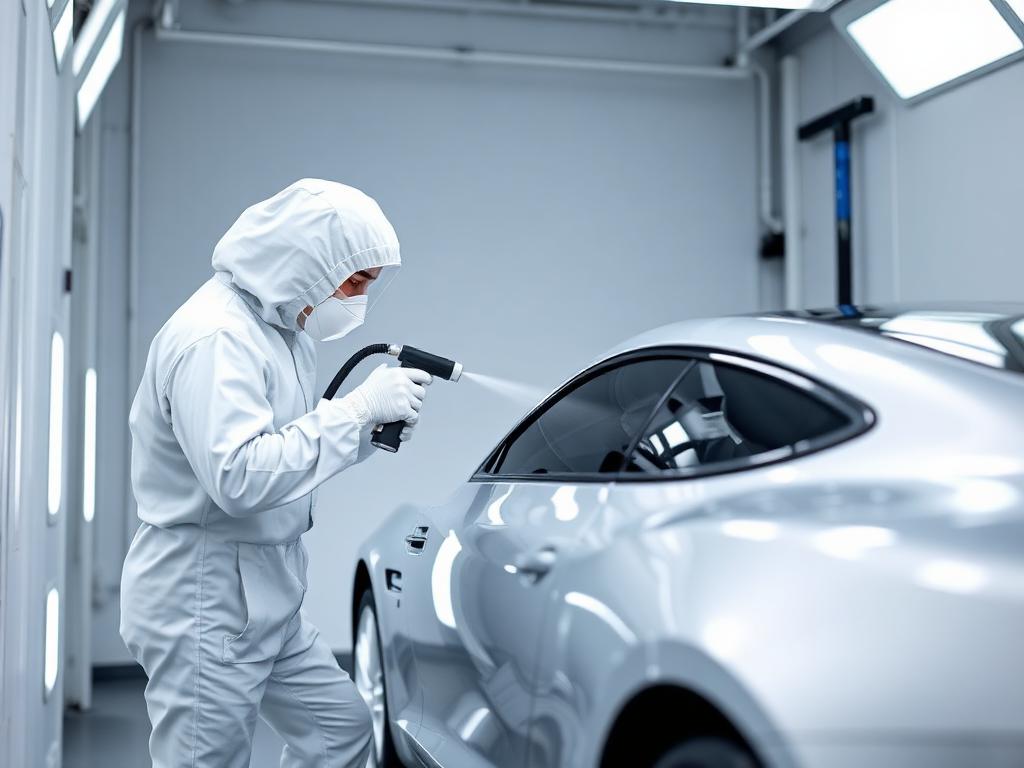
Paint is mixed to your vehicle's code, then adjusted against the actual panel because paint fades with age. Blending into adjacent panels is what makes a repair invisible.
↑ Back to contents5. Quality control and handover
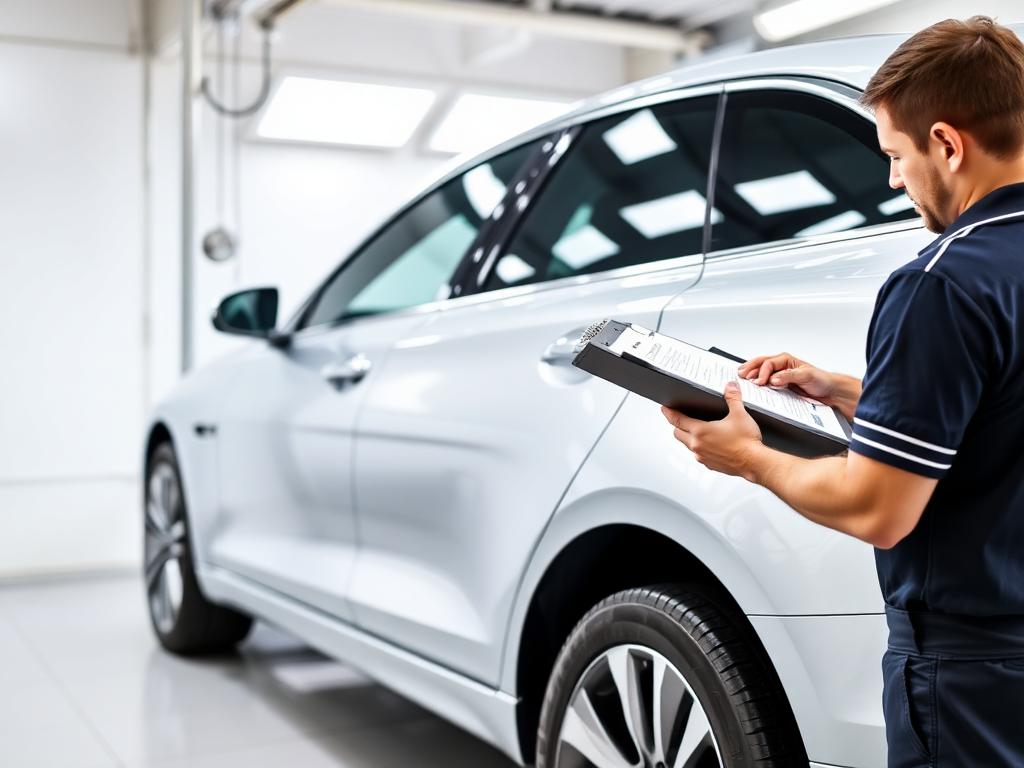
Panel gaps, paint finish, electronics, sensors and road behaviour are all checked before the vehicle is cleaned and handed back with an explanation of exactly what was done.
↑ Back to contentsFrequently asked questions
The insurance questions drivers ask us most
Straight answers on premiums, excess, write-offs and replacement vehicles, written by our Bristol repair team.
- Non-fault accident: what it means and what to do (UK guide)A plain-English UK guide to non-fault accidents: how liability is decided, your repair and replacement vehicle options, and the mistakes that cost drivers money.
- What to do after a car accident that wasn’t your faultThe exact steps to take at the scene, in the first 24 hours and in the first week after someone else hits your car in the UK.
- Will a non-fault accident affect my insurance? (UK)How a non-fault claim can show on your record, what happens to your premium and what to check with your insurer.
- Do I have to pay my insurance excess?When an excess applies after a non-fault accident, and the practical routes that can avoid paying one up front.
Your next steps
Based on what you have just read, these are the pages most drivers go to next.
Prefer to speak to someone now?
SAR Group is a repair-led accident support and bodyshop business, and your first point of contact after a non-fault accident. We are not an FCA-authorised claims management company: every non-fault case is handled through our authorised and regulated partner network.