Estimates often list parts as genuine, matching quality or reclaimed. The difference affects safety, warranty and the value of your vehicle, so it is worth understanding before work starts.
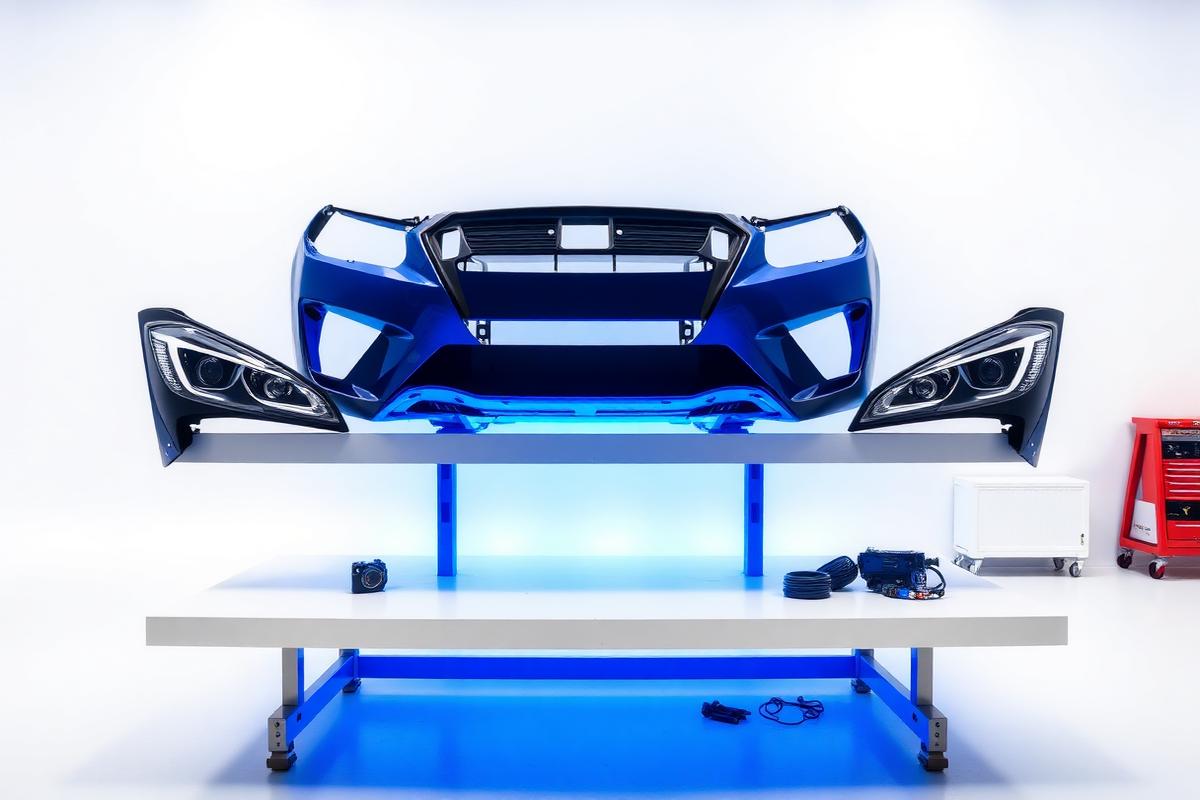
Genuine parts
Genuine parts come from the vehicle manufacturer in their packaging. They are the most expensive option and the safest default for structural, safety and electronic components.
↑ Back to contentsMatching quality parts
Matching quality means a part made to the same specification by an independent manufacturer, often the same supplier that produces for the vehicle maker. Quality varies between brands, so the specific supplier matters more than the label.
↑ Back to contentsReclaimed and recycled parts
Reclaimed parts are original components taken from another vehicle and graded for condition. They can be a sensible choice for older vehicles and non-structural items, and they should never be used where the part has absorbed impact.
↑ Back to contentsWhat decides which is used
Insurers set parts policies, vehicle age and value influence the decision, and manufacturer warranty conditions can require genuine parts on newer cars.
- Ask for the parts list before authorising the repair
- Ask specifically about safety-critical and structural items
- Check whether your manufacturer warranty sets any conditions
- You can normally pay the difference to upgrade a part
Frequently asked questions
The insurance questions drivers ask us most
Straight answers on premiums, excess, write-offs and replacement vehicles, written by our Bristol repair team.
- Non-fault accident: what it means and what to do (UK guide)A plain-English UK guide to non-fault accidents: how liability is decided, your repair and replacement vehicle options, and the mistakes that cost drivers money.
- What to do after a car accident that wasn’t your faultThe exact steps to take at the scene, in the first 24 hours and in the first week after someone else hits your car in the UK.
- Will a non-fault accident affect my insurance? (UK)How a non-fault claim can show on your record, what happens to your premium and what to check with your insurer.
- Do I have to pay my insurance excess?When an excess applies after a non-fault accident, and the practical routes that can avoid paying one up front.
Your next steps
Based on what you have just read, these are the pages most drivers go to next.
Prefer to speak to someone now?
SAR Group is a repair-led accident support and bodyshop business, and your first point of contact after a non-fault accident. We are not an FCA-authorised claims management company: every non-fault case is handled through our authorised and regulated partner network.