If another driver is responsible for the damage to your car, you should not be left without transport while it is repaired. Here is how replacement vehicle arrangements normally work in the UK, and the questions worth asking before you accept one.
The principle behind a replacement vehicle
The general position in law is that you should be put back in the position you were in before the accident. If you had the use of a car and lost it through someone else's negligence, the loss of use is part of what you are out of pocket for.
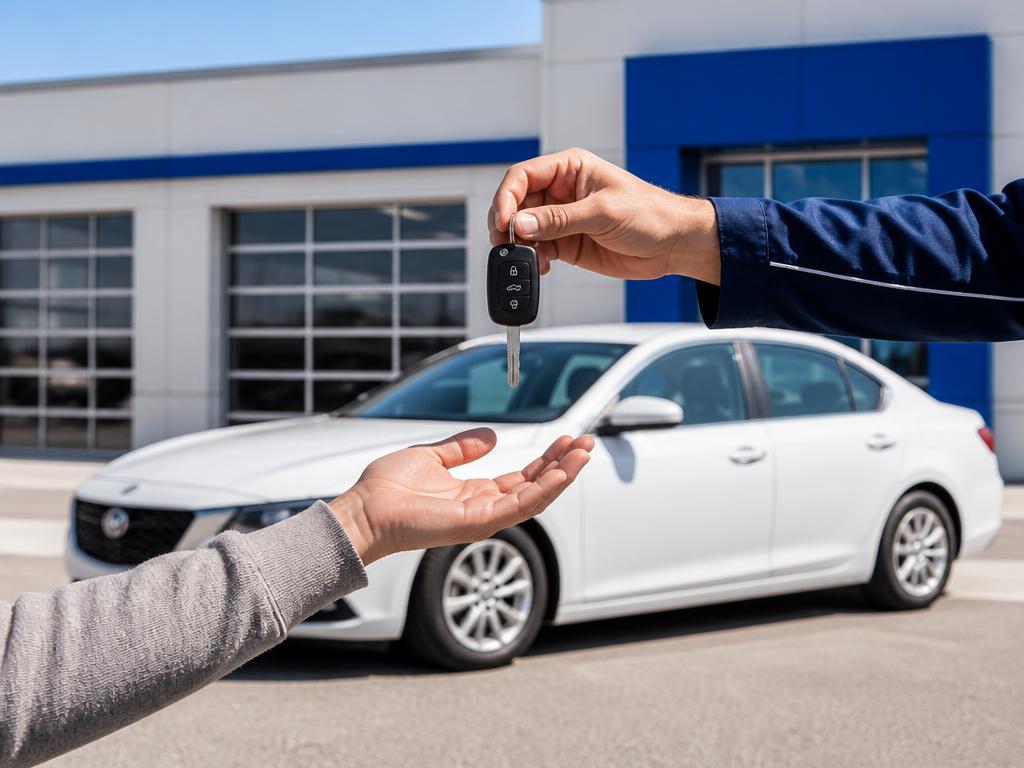
In practice that means either your own insurer providing a courtesy car under your policy, or a replacement vehicle arranged on a credit basis and recovered from the at-fault insurer.
↑ Back to contentsCourtesy car and replacement vehicle are not the same
A courtesy car is a benefit of your own policy. It is usually a small hatchback, it usually only applies while the car is physically being repaired, and it often is not available at all if the car is written off.
A replacement vehicle arranged through the non-fault route is normally matched more closely to the vehicle you lost, and can cover the period from the accident through to settlement.
- Check whether your policy includes a courtesy car at all
- Check whether it covers a total loss, many do not
- Ask what class of vehicle is being offered and for how long
- Ask who is responsible for the hire charges if liability is disputed
Keeping the arrangement reasonable
Hire periods and vehicle classes have to be reasonable. Keeping a large vehicle for months longer than the repair needed is the kind of thing an at-fault insurer will challenge, and challenges create stress you do not need.
Keep the replacement only while you genuinely need it, keep a note of dates, and hand it back promptly once your own car is ready.
↑ Back to contentsHow SAR Group helps
We are a repair-led business, so our starting point is always the vehicle. We will tell you honestly how long the repair should take, which is the single biggest factor in how long you need alternative transport for. Where a regulated service is required, authorised partners may assist.
↑ Back to contentsFrequently asked questions
The insurance questions drivers ask us most
Straight answers on premiums, excess, write-offs and replacement vehicles, written by our Bristol repair team.
- Non-fault accident: what it means and what to do (UK guide)A plain-English UK guide to non-fault accidents: how liability is decided, your repair and replacement vehicle options, and the mistakes that cost drivers money.
- What to do after a car accident that wasn’t your faultThe exact steps to take at the scene, in the first 24 hours and in the first week after someone else hits your car in the UK.
- Will a non-fault accident affect my insurance? (UK)How a non-fault claim can show on your record, what happens to your premium and what to check with your insurer.
- Do I have to pay my insurance excess?When an excess applies after a non-fault accident, and the practical routes that can avoid paying one up front.
Your next steps
Based on what you have just read, these are the pages most drivers go to next.
Prefer to speak to someone now?
SAR Group is a repair-led accident support and bodyshop business, and your first point of contact after a non-fault accident. We are not an FCA-authorised claims management company: every non-fault case is handled through our authorised and regulated partner network.